Last updated: August 2026 — Written by Cyman Travel, INGUAT-certified local agency based in Antigua Guatemala since 2021.
The honest answer: yes, Guatemala is safe for American tourists — if you go to the right places. The U.S. State Department’s Level 3 advisory is real, but it applies to specific areas that no tourist itinerary ever visits. Antigua Guatemala, Lake Atitlán, and Tikal — where Cyman Travel operates every single day — are destinations that U.S. government employees themselves are permitted to visit. That distinction matters enormously, and most travel articles about Guatemala miss it entirely.
This guide gives you the information the State Department advisory actually contains, what it means in practice for your trip to Antigua and Guatemala’s top tourist destinations, and the specific precautions that make the difference between a safe, extraordinary trip and an avoidable problem.
✅ Quick Answer for American Tourists
Guatemala is Level 3 (“Reconsider Travel”) under the U.S. State Department advisory due to crime in specific areas. However, the popular tourist destinations — Antigua Guatemala, Lake Atitlán, Tikal National Park, and Pacaya Volcano — are destinations that U.S. government employees are permitted to visit. Over 1.9 million foreign tourists visited Guatemala in the first half of 2026 alone. With the right precautions and a local INGUAT-certified guide, Guatemala is a safe and extraordinary destination for American travelers.
📲 Travel Guatemala safely with a local INGUAT-certified guide
Cyman Travel is based in Antigua Guatemala. We operate daily tours to Acatenango, Lake Atitlán, Tikal, and all major destinations — with local knowledge, bilingual guides, and 24/7 support.
WhatsApp: +502 3468-0911 — available 24/7
What Does the U.S. State Department Actually Say About Guatemala?
The U.S. Department of State’s Guatemala Travel Advisory is currently at Level 3: Reconsider Travel — updated March 12, 2026. This is the second-highest advisory level, below Level 4 (“Do Not Travel”) and above Level 2 (“Exercise Increased Caution”).
The advisory cites crime and terrorism as the primary concerns — specifically gang-related violence, robbery, carjacking, drug trafficking, and limited effectiveness of local law enforcement in responding to serious crimes.
Critically, the advisory identifies four specific “Do Not Travel” zones within Guatemala:
- 🔴 San Marcos Department — due to cartel and gang activity
- 🔴 Huehuetenango Department — due to cartel and gang activity
- 🔴 Zone 18, Guatemala City — due to gang violence
- 🔴 Villa Nueva — due to gang violence
The advisory explicitly states that the following destinations are accessible to U.S. government employees and their families:
- 🟢 Antigua Guatemala — fully accessible
- 🟢 Lake Atitlán — fully accessible
- 🟢 Tikal National Park — fully accessible
- 🟢 Pacific coast areas in Santa Rosa and Escuintla — accessible
- 🟢 Quetzaltenango, Puerto Barrios, Cobán — accessible
In other words: the same places where the U.S. government allows its own employees to travel are exactly the places where Cyman Travel operates every day. This is the single most important fact about Guatemala safety that most travel articles fail to mention.
The Reality on the Ground — What "Level 3" Actually Means in Practice
Level 3 advisories are applied to dozens of countries around the world, including popular American travel destinations. The advisory level reflects the presence of elevated risk in some part of the country — it does not mean the entire country is dangerous for tourists.
To put it in context: Mexico is also rated Level 3 overall by the State Department, yet tens of millions of Americans visit Mexico safely every year. Cancún, Los Cabos, and Puerto Vallarta are visited by Americans constantly despite Mexico’s Level 3 overall rating — because those specific destinations are far from the areas of concern. Guatemala works the same way.
The areas of genuine serious concern in Guatemala — San Marcos, Huehuetenango, Zone 18 in Guatemala City, Villa Nueva — are not on any standard tourist itinerary and are not destinations that tour operators like Cyman Travel visit. The tourist circuit of Antigua → Lake Atitlán → Tikal → Pacaya Volcano has a fundamentally different safety profile from the gang-controlled border zones that drove the Level 3 classification.
What the State Department says about tourists specifically: “Tourists are not usually the targets of violent crime. They are targeted for petty crime and theft.”
That is a critically different statement from “Guatemala is dangerous for tourists.” Petty theft — the kind of opportunistic crime that happens at tourist attractions in Paris, Rome, Barcelona, and New York — is the primary risk profile for the places you will actually visit in Guatemala.
Guatemala Safety by Destination — Where Americans Actually Go
Antigua Guatemala — Very Safe for Tourists
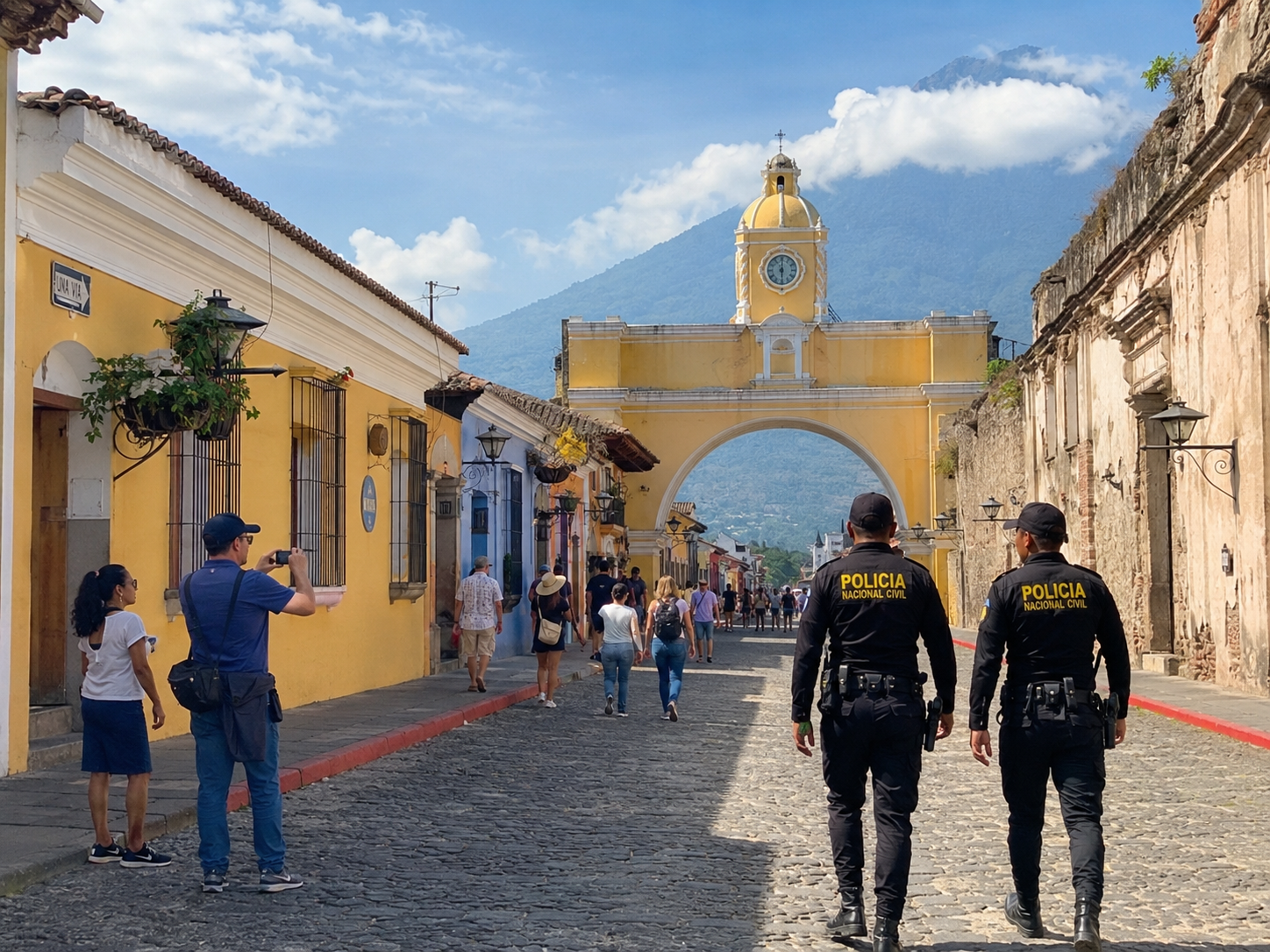
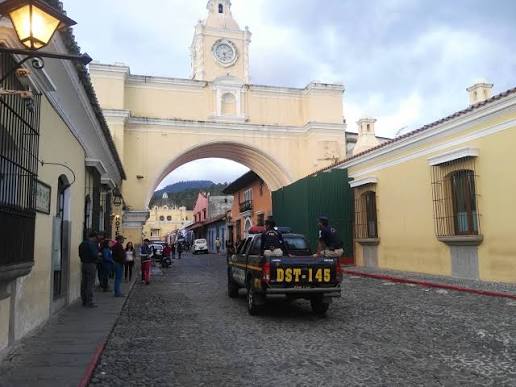
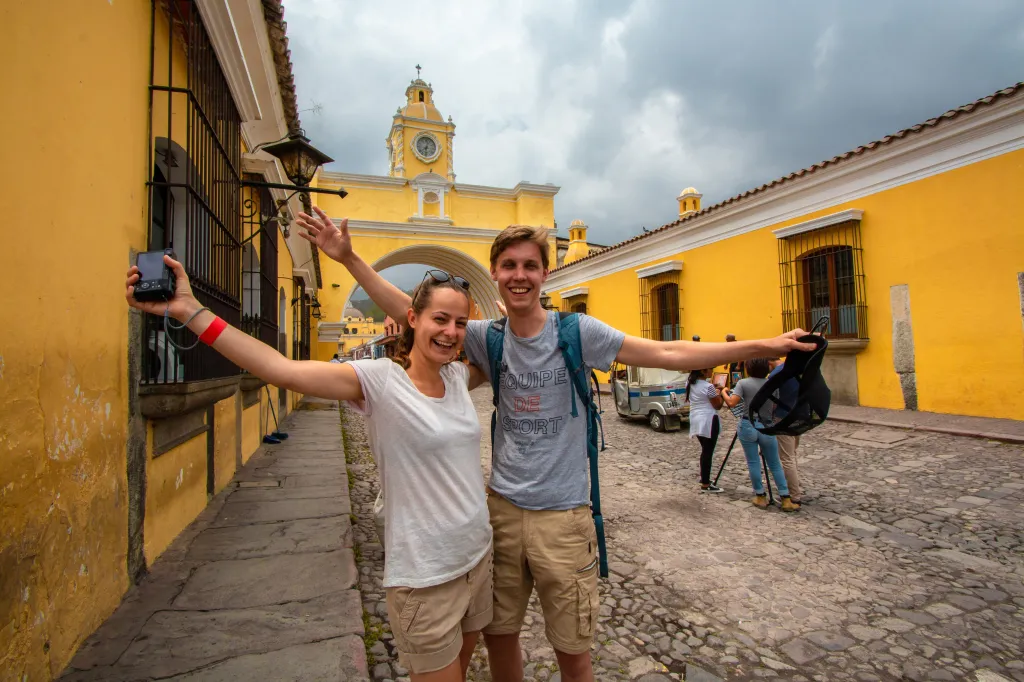
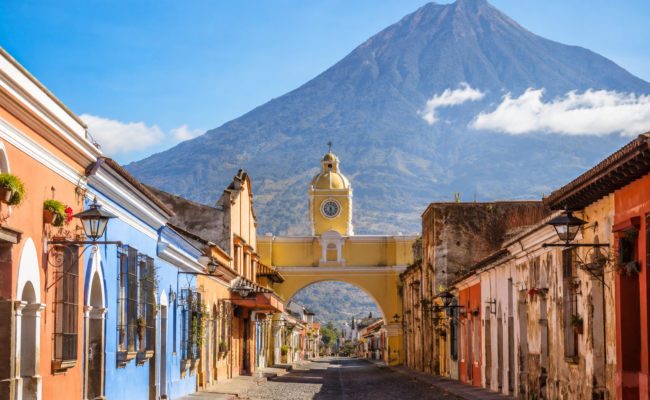
Antigua is Guatemala’s most visited city and one of the most tourist-friendly in all of Central America. The historic center is heavily patrolled by both local police and DISETUR — Guatemala’s dedicated tourist police force that operates specifically in areas with high international visitor traffic. The city has a large permanent expat community, multiple foreign embassies and consulates nearby, and year-round international tourism infrastructure that makes it genuinely well-equipped for foreign visitors.
Petty theft does occur — pickpocketing in crowded markets, bag snatching near bus terminals, and phone theft in outdoor restaurant areas are the primary concerns. These are manageable with standard urban precautions: keep valuables secure, be aware of your surroundings, don’t display expensive electronics, and avoid walking alone in unfamiliar areas after dark.
The State Department advises U.S. government employees to use authorized transportation when in Guatemala City — but Antigua itself is treated as a safe destination for personal travel.
Lake Atitlán — Safe for Tourists with Precautions
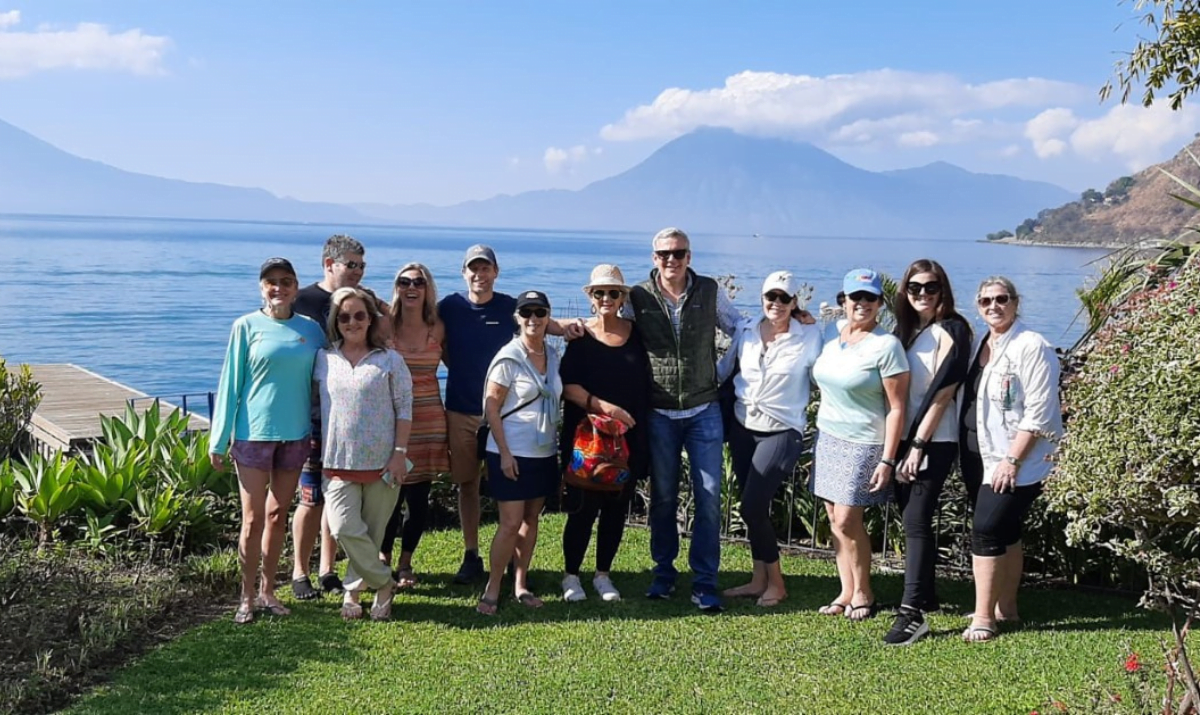
Lake Atitlán and its surrounding villages are among Guatemala’s most visited and most safe destinations for international tourists. ASISTUR (Guatemala’s Tourist Assistance Program) maintains a tourist police presence in the lake towns, and the main villages — Panajachel, San Juan La Laguna, San Pedro La Laguna, Santiago Atitlán — have well-established tourism infrastructure with reputable hotels, restaurants, and tour operators.
The main safety precaution at Atitlán is to use reputable boat services between villages rather than accepting rides from unlicensed operators, and to avoid hiking between villages after dark on trails that are not monitored.
Tikal National Park — Safe for Tourists
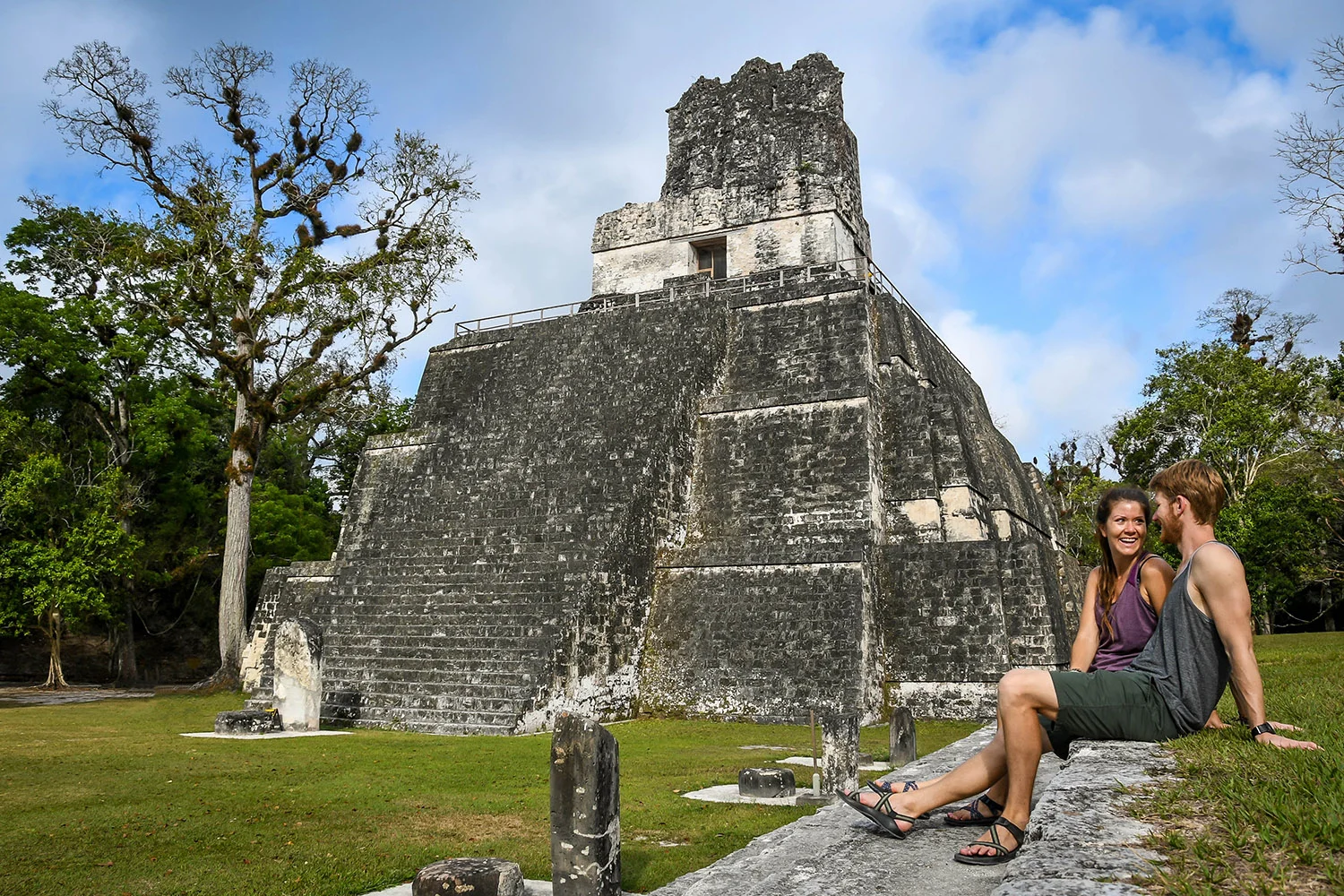
Tikal is located in the Petén jungle in northern Guatemala — far from the gang-controlled areas that concern the State Department. The national park is operated by the Guatemalan government, has on-site security, and is visited by hundreds of thousands of international tourists each year including organized tour groups from the United States, Canada, and Europe. Crime directed at tourists at Tikal is extremely rare.
The main practical concern for Tikal is the journey: the road between Guatemala City and Flores (the staging city for Tikal) passes through remote areas of northern Guatemala. The State Department advises against nighttime driving on long highway routes in Guatemala. The simplest and safest way to visit Tikal as an American tourist is to fly from Guatemala City to Flores — a 50-minute flight that completely avoids the road transit concern. Cyman Travel’s Tikal day trip includes round-trip flights specifically for this reason.
Pacaya Volcano — Safe for Tourists
Pacaya is 90 minutes from Antigua and operates as a well-regulated national park with a structured trail system and ranger presence. It has been a mainstream tourist destination for over two decades and is included in organized tours from Antigua daily. No significant safety incidents involving international tourists have been reported at Pacaya in recent years.
Guatemala's Tourist Protection System — What Most Americans Don't Know
Guatemala has one of the most developed tourist-specific protection systems in Central America — a fact that rarely appears in travel safety articles about the country.
ASISTUR (Sistema de Asistencia al Turista) is a government program whose sole mission is to assist and protect foreign tourists in Guatemala. It operates a tourist police force called DISETUR that maintains a visible presence specifically in Antigua, Lake Atitlán, Tikal, Quetzaltenango, Puerto Barrios, and Cobán — exactly the destinations on every American tourist’s itinerary.
ASISTUR’s emergency response center operates 24 hours a day with English-speaking staff and can be reached by:
- 📞 Calling 1500 from any Guatemalan phone — free of charge
- 📞 Calling +502-2290-2810 from any international number
- 📲 WhatsApp at +502-5188-1819 — available 24/7
ASISTUR can also arrange a dedicated security escort if your group feels unsafe at any point during your visit. This is a free service for tourists and is worth knowing about before you travel.
Additionally, Guatemala requires tour operators to hold INGUAT certification — a government certification that establishes legal accountability, insurance requirements, and safety standards for tour operations. Cyman Travel is INGUAT-certified. When booking any tour in Guatemala, verifying INGUAT certification is the single most important vetting step you can take.
January 2026 — What Happened and What It Means for Tourists
In January 2026, Guatemala experienced a significant security incident: members of the Barrio 18 gang staged coordinated attacks on police across Guatemala City, resulting in 11 officer deaths and a brief state of siege declared by President Bernardo Arévalo. The U.S. Embassy briefly issued a shelter-in-place order for its staff and subsequently added a “terrorism” risk indicator to the existing Level 3 advisory.
Several important facts about this incident for tourist context:
- The violence was concentrated in Guatemala City — not in Antigua, Lake Atitlán, Tikal, or other tourist areas
- The U.S. Embassy lifted the shelter-in-place order within 24 hours
- President Arévalo’s state of siege lasted 30 days and resulted in the capture of 83 high-risk gang members, seizure of nearly five tons of cocaine, and a 33% drop in extortion cases
- Homicides fell by half compared to the same period the previous year following the government crackdown
- No tourists were targeted or harmed during the incident
- INGUAT confirmed throughout the incident that tourist destinations continued operating normally
The advisory level did not change as a result of January’s events — it remained at Level 3, where it has been since July 2023.
Practical Safety Rules for American Tourists in Guatemala
These are the specific precautions that experienced Guatemala travelers apply consistently — not generic travel advice, but Guatemala-specific practices that address the actual risk profile of the destinations Americans visit:
Transportation
- Use private transfers or authorized shuttles between cities — not public chicken buses for long routes, not unmarked taxis hailed on the street
- Fly to Tikal rather than driving — the road between Guatemala City and Flores passes through remote areas best avoided at night; a 50-minute flight eliminates the concern entirely
- Arrange airport pickup in advance — La Aurora International Airport in Guatemala City involves navigating an unfamiliar city; having a confirmed pickup from a trusted operator removes the most common arrival vulnerability
- Avoid driving after dark on highways between major destinations — this is the State Department’s clearest practical recommendation and worth following
In Antigua and Tourist Areas
- Keep your phone in your pocket or bag rather than in your hand while walking — phone theft from tourists is the most common property crime in Antigua
- Use a money belt or hidden pouch for cash and cards in crowded market areas
- Stick to well-lit, populated areas after 9 PM — Antigua’s central areas remain active and safe in the evening, but unfamiliar side streets after midnight are a different matter
- Book tours with INGUAT-certified operators — verify certification before paying any deposit
- Don’t leave valuables visible in vehicles, including in parked shuttles
Health Precautions
- Don’t drink tap water — use bottled water or a reliable water purification system throughout your trip
- The CDC recommends routine vaccinations are up to date before travel to Guatemala; consult your doctor about hepatitis A, typhoid, and any destination-specific recommendations
- Bring insect repellent — dengue fever is present in some areas of Guatemala, particularly at lower altitudes
- At high altitude (Antigua is 1,530 meters; Acatenango base camp is 3,700 meters), take the first day easy and stay hydrated
How Many Americans Visit Guatemala — The Numbers in Context
The travel advisory exists — and simultaneously, Guatemala received 1,915,874 foreign tourists in just the first six months of 2026, making it the most-visited destination in Central America according to SITCA (Secretaría de Integración Turística Centroamericana). That figure is more than Panama, Costa Rica, Honduras, El Salvador, and Nicaragua combined.
In the first two weeks of January 2026 — the same month as the gang violence incident in Guatemala City — bookings to Guatemala surged 125% year-over-year. American travelers are voting with their wallets: they are researching the situation, understanding the distinction between tourist areas and high-risk zones, and choosing to go.
Guatemala has also been identified as the most affordable travel destination for U.S. tourists in 2026, with a seven-day trip estimated at $1,700–$1,970 per person including flights, accommodation, tours, and meals — less than comparable trips to Costa Rica, Mexico’s Pacific resorts, or the Caribbean.
What You Get When You Travel to Guatemala
It’s worth pausing on what the safety conversation is actually protecting access to — because Guatemala offers a travel experience that is genuinely exceptional and increasingly hard to find.
Within a single trip from Antigua, an American tourist can:
- Hike an active volcano and watch it erupt from base camp through the night — Acatenango overnight trek from $85 per person
- Fly to Tikal and spend a day inside the greatest Maya ruins in the Americas — Tikal day trip from $495 per person
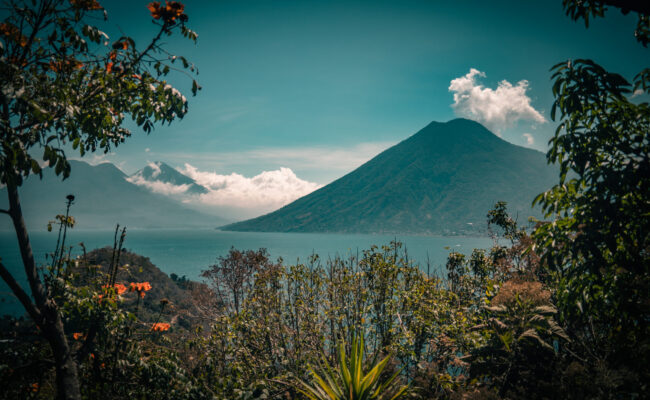
- Visit Lake Atitlán — widely described as the most beautiful lake in the world — and explore indigenous Maya villages by boat — from $110 per person
- Paraglide over a UNESCO-listed colonial city — from $195 per person
- Walk an active lava field at Pacaya Volcano — from $35 per person
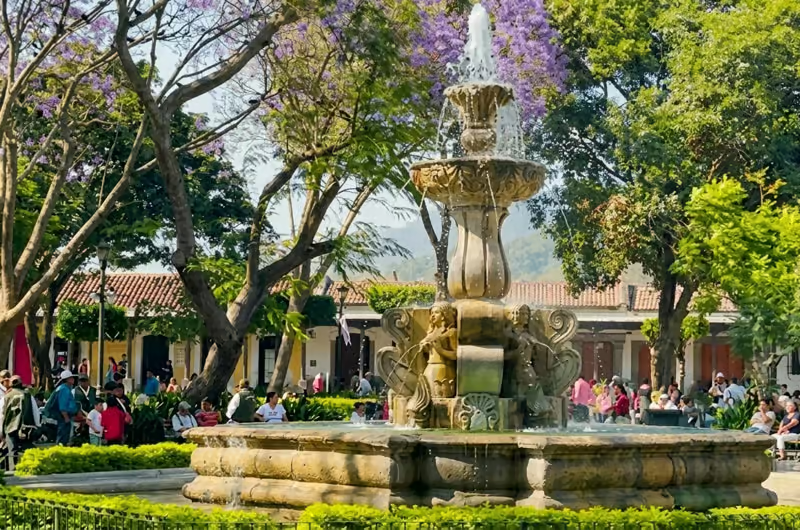
All of this from a base in Antigua Guatemala — one of the best-preserved colonial cities in the Americas, with excellent food, comfortable hotels, and a genuine local culture that rewards curious, respectful visitors.
Ready to plan your Guatemala trip?
Cyman Travel is an INGUAT-certified, 100% Guatemalan agency in Antigua. We help American travelers plan safe, extraordinary Guatemala experiences every day — with bilingual guides, private transport, and 24/7 support.
📲 WhatsApp: +502 3468-0911 — available 24/7
📧 reservaciones@cymantravel.com · Browse all tours →
About This Safety Guide
This guide was written by Cyman Travel, a 100% Guatemalan, INGUAT-certified agency based at 6a Avenida Norte 1, Antigua Guatemala. We operate daily tours throughout Guatemala and have direct, on-the-ground knowledge of current safety conditions at every destination we visit. Our guides are Guatemalan nationals who live and work in Antigua and have operated these routes through multiple security situations including the January 2026 incidents.
This guide cites the U.S. Department of State’s official Guatemala Travel Advisory (travel.state.gov), the CDC’s Guatemala traveler health guidance (cdc.gov), and SITCA tourism statistics (sitca.org). Safety conditions can change — always check the latest advisory before travel at travel.state.gov.
Last updated: August 2026 by Cyman Travel staff in Antigua Guatemala.
📲 WhatsApp: +502 3468-0911 — available 24/7
📧 Email: reservaciones@cymantravel.com
🌐 Browse all Guatemala tours from Antigua →